





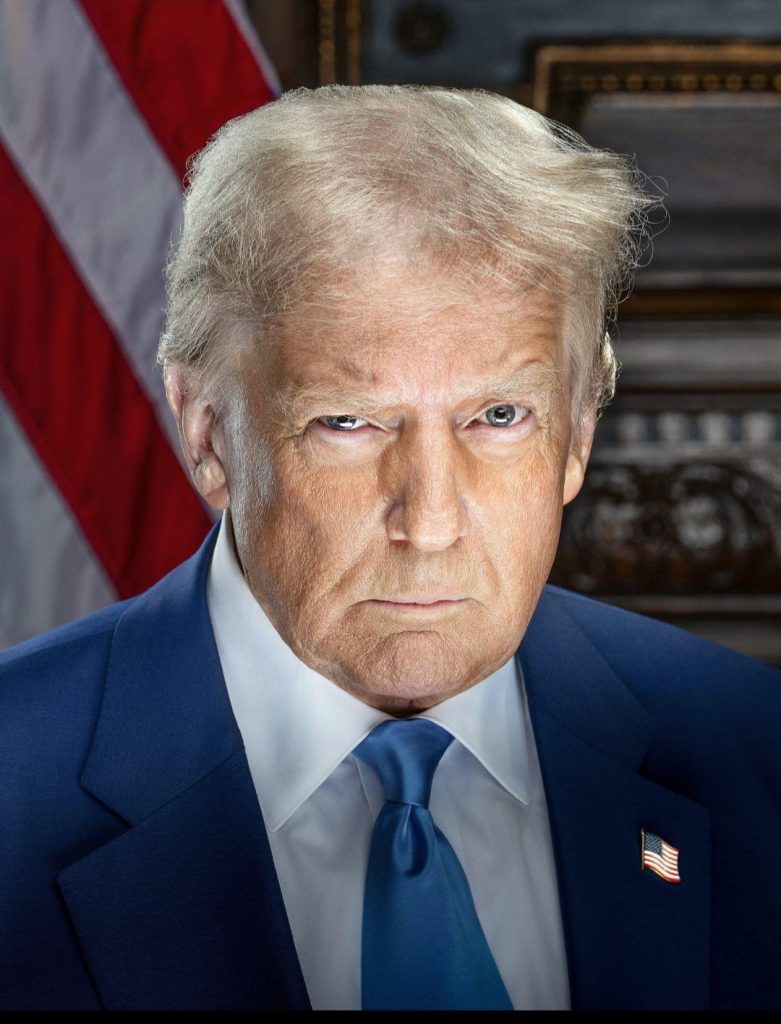
Newly released financial disclosures reveal President Donald Trump’s investment accounts made 327 previously undisclosed stock purchases one day before he announced a 90-day pause on major tariffs, drawing renewed scrutiny.
Trump’s Investment Accounts Made 327 Undisclosed Stock Purchases Before Major Tariff Pause, Report Says
President Donald Trump’s financial disclosures are facing renewed scrutiny after newly released documents revealed that investment accounts associated with him made 327 previously undisclosed stock purchases just one day before he announced a 90-day pause on major reciprocal tariffs that sent U.S. financial markets sharply higher.
The trading activity, first highlighted in reports citing newly released government financial disclosures, has sparked fresh questions from ethics experts and lawmakers about the timing of the transactions, even as the White House insists the president does not personally direct the investments.
What the Financial Disclosures Show
According to the disclosure documents, Trump’s investment accounts purchased 327 individual stocks on April 8, 2025, spending more than $3.6 million without recording any stock sales that day. The following day, Trump announced a temporary pause on most reciprocal tariffs after previously introducing sweeping trade measures that had unsettled global financial markets.
The tariff pause sparked one of the strongest single-day rallies on Wall Street, with major stock indexes posting significant gains as investors welcomed the policy reversal. Because the purchases occurred immediately before the announcement, the timing has attracted considerable attention.
Major Blue-Chip Stocks Were Purchased
The disclosures indicate that the accounts bought shares in several of America’s largest publicly traded companies.
Among the reported purchases were:
•Apple
•Berkshire Hathaway
•Microsoft
•Nvidia
•Amazon
•Alphabet (Google’s parent company)
These companies are among the most heavily traded blue-chip stocks in the U.S. market and benefited from the broader market recovery following the tariff announcement.
More Than 21,000 Trades Revealed
The documents reportedly contain records of more than 21,000 stock transactions conducted through Trump’s investment accounts during 2025. Many of those trades were not publicly disclosed within the standard reporting timeline required under federal ethics laws, although late filing fees were reportedly paid.
Federal ethics rules generally require senior government officials to disclose securities transactions exceeding certain thresholds within 45 days. The newly released filing included numerous transactions that became public well after that deadline.
White House Responds
The White House has maintained that President Trump is not personally directing the investment decisions.
According to reports, administration officials said the president’s assets are managed by others and denied any wrongdoing or conflict of interest involving the trades. Trump has also previously stated that he does not personally oversee the day-to-day management of the investment accounts.
Nevertheless, ethics specialists argue that the timing of the purchases warrants careful examination because presidential policy announcements can have significant effects on financial markets.
Bipartisan Calls for Greater Transparency
The disclosures have prompted renewed calls from some lawmakers for greater transparency regarding financial transactions involving senior government officials.
Critics argue that even the appearance of a potential conflict of interest can undermine public confidence, particularly when large market-moving policy announcements coincide with significant investment activity.
Supporters of the administration, however, contend that there is no evidence that President Trump personally directed the trades or violated securities laws, emphasizing that investment management was delegated to others.
Why the Timing Matters
Financial markets reacted strongly after the tariff pause was announced.
Investors interpreted the temporary suspension of tariffs as a positive signal for international trade and corporate earnings, leading to broad gains across U.S. equities.
Because the purchases occurred just before that announcement, market observers have questioned whether additional disclosures or investigations may be warranted to better understand how the investment decisions were made.
At this stage, publicly available reports focus primarily on the timing revealed in the financial disclosures rather than alleging any proven legal violation.
What Happens Next?
The financial disclosure documents are expected to remain under close examination as lawmakers, ethics experts, and financial analysts review the reported transactions.
Whether additional investigations or oversight measures follow will likely depend on future congressional actions and any responses from ethics authorities.
For investors, the story also serves as a reminder that major government policy announcements—particularly involving tariffs, taxes, or regulation—can significantly influence financial markets within a very short period.
Why It Matters
The disclosure highlights how major government policy decisions can dramatically affect financial markets and why transparency surrounding the financial activities of public officials remains an important issue. While no wrongdoing has been established, the timing of the trades has prompted renewed debate over ethics, disclosure requirements, and public trust.
Key Takeaways
•Newly released financial disclosures show 327 previously undisclosed stock purchases were made through President Donald Trump’s investment accounts on April 8, 2025.
•The purchases occurred one day before Trump announced a 90-day pause on most reciprocal tariffs, which triggered a sharp market rally.
•The accounts reportedly purchased major companies including Apple, Berkshire Hathaway, Microsoft, Nvidia, Amazon, and Alphabet.
•The trading activity was disclosed more than a year later through a nearly 900-page financial disclosure filing, prompting bipartisan calls for greater transparency.
•The White House has maintained that Trump does not personally manage the investment accounts, stating they are handled by others.

Great content! Keep up the good work!