






Bolivia has officially ended its 15-year peg to the U.S. dollar, allowing the boliviano to float. The move resulted in an immediate 30% currency devaluation as the government seeks to stabilize its economy and secure IMF funding.
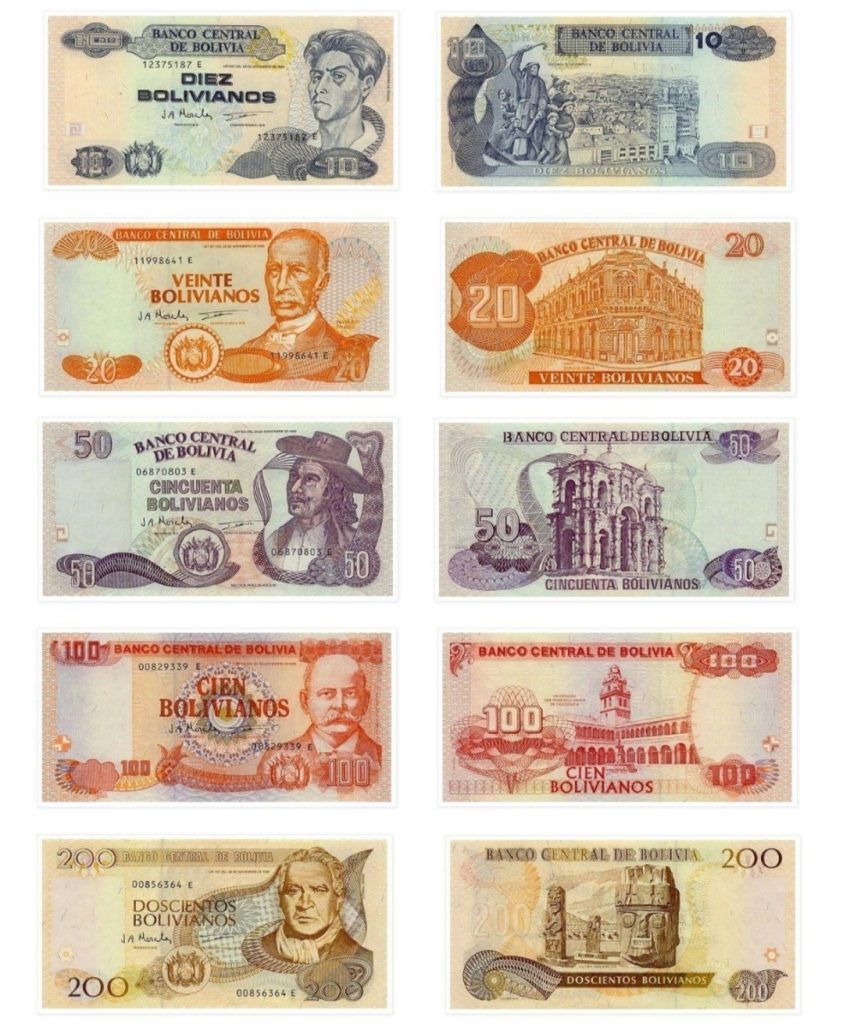

Bolivia Ends 15-Year U.S. Dollar Peg as Currency Drops 30%
Bolivia has officially abandoned its 15-year fixed exchange-rate regime, ending the boliviano’s peg to the U.S. dollar in one of the country’s most significant economic policy shifts in over a decade. The government announced it will adopt a flexible exchange-rate system, resulting in an immediate depreciation of approximately 30% in the official value of its currency.
Why Bolivia Ended the Dollar Peg
For years, Bolivia maintained an official exchange rate of around 6.86–6.96 bolivianos per U.S. dollar, helping keep prices stable and providing confidence in the local currency.
However, declining foreign-exchange reserves, a severe shortage of U.S. dollars, and the rapid growth of a parallel currency market made the fixed exchange rate increasingly difficult to maintain. The government said moving to a flexible exchange-rate system is intended to restore macroeconomic stability, improve competitiveness, and normalize currency markets.
Currency Devalues by Around 30%
Following the announcement, Bolivia’s central bank updated its official exchange rate to approximately 9.73 bolivianos per U.S. dollar, representing an implied depreciation of about 30% compared with the previous official rate.
While the adjustment reflects market realities that had already emerged through unofficial exchange markets, it is expected to increase import costs and place additional pressure on inflation in the short term.
IMF Talks Influence the Decision
The policy shift comes as Bolivia negotiates a financial support program worth an estimated $2.5–3 billion with the International Monetary Fund (IMF).
Economists believe abandoning the currency peg aligns with recommendations previously made by the IMF and could strengthen Bolivia’s chances of securing international financing needed to rebuild foreign reserves and stabilize the economy.
Political and Economic Challenges Ahead
The decision has generated political controversy inside Bolivia.
Labor unions and opposition groups have expressed concerns that IMF-backed reforms could result in austerity measures, while protests over the country’s economic conditions have already disrupted transportation and commerce in recent months. Despite these concerns, government officials argue that the exchange-rate reform is necessary to restore confidence and address persistent dollar shortages.
What This Means for Crypto
Periods of currency devaluation often increase interest in alternative stores of value such as Bitcoin and stablecoins.
Although Bolivia has not announced any crypto-related policy changes alongside the exchange-rate reform, market observers note that prolonged currency weakness can encourage greater adoption of digital assets for savings and cross-border transactions.
Key Takeaways
•Bolivia has ended its 15-year peg to the U.S. dollar.
•The official exchange rate moved to about 9.73 bolivianos per dollar, implying a 30% currency devaluation.
•The government says the move is designed to restore economic stability and rebuild investor confidence.
•Bolivia is negotiating a multibillion-dollar financing package with the IMF.
•The policy change could reshape the country’s financial system and increase interest in alternative assets, including cryptocurrencies.
