




Vitalik Buterin says Hegotá, with FOCIL, will be Ethereum’s last “normal” fork before a cryptographic overhaul. Here’s what’s scheduled and what isn’t.
Key Takeaways
• FOCIL (EIP-7805) is Hegotá’s headline feature and targets transaction censorship by block builders.
• Buterin calls Hegotá likely the last “normal” fork. The larger cryptographic shift comes after it.
• His 2030 projection is ~8–32 second finality, versus about 200 seconds for 12 confirmations today.
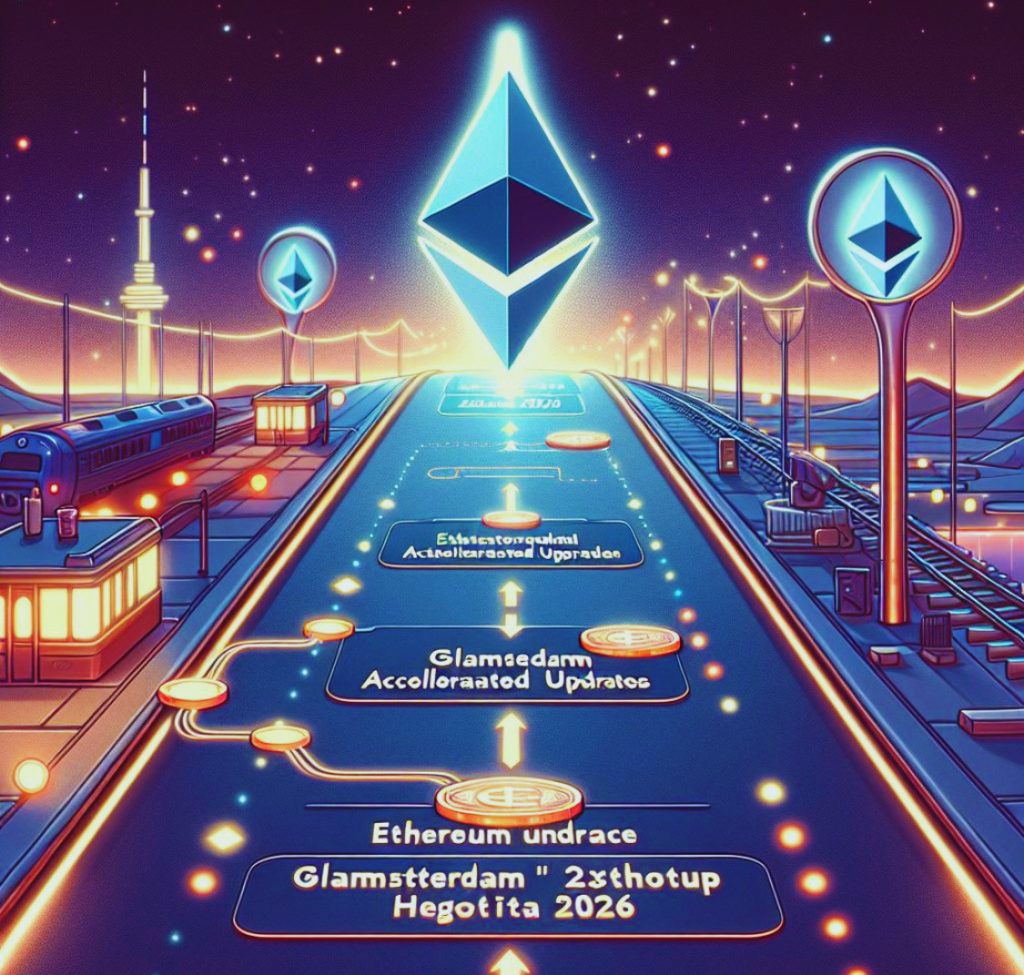
• No Hegotá date is set. The roadmap points to 2027, after Glamsterdam in Q4 2026.
• Buterin names efficient proofs and large-scale state management as the main unsolved challenges.
Vitalik Buterin Says Hegotá Will Be Ethereum’s Last “Normal” Fork
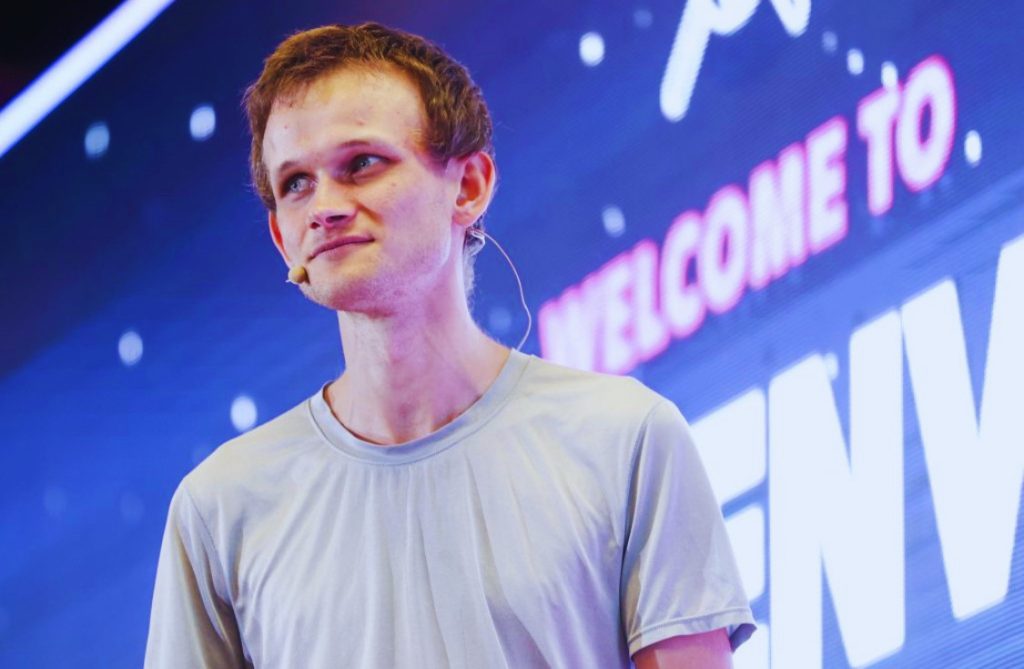
Vitalik Buterin says Ethereum is heading toward a design that “blockchain” no longer fully describes. In a Sept. 27 essay titled “The Cryptographic World Computer,” he argues that Hegotá, the upgrade planned for 2027, is likely the last fork a developer from 2015 would recognize.
What Buterin actually said
Buterin describes a hybrid: a blockchain core combined with modern cryptography and decentralized off-chain components. Today, nodes download blocks and re-run every transaction to check them. His 2030 picture replaces that with SNARK proofs, which are short mathematical proofs that work was done correctly, plus PeerDAS data sampling, which lets nodes check that data is available without downloading all of it. PeerDAS is already live.
Where FOCIL fits
FOCIL (EIP-7805) is the one part of this that is actually scheduled. It is Hegotá’s headline feature. A committee of validators publishes lists of valid transactions, and block builders are expected to include them. Today a small set of specialized builders decides what goes into most blocks, so one of them can quietly leave a transaction out. FOCIL is meant to close that gap.
The zero-knowledge changes at the base layer are not part of Hegotá. Buterin places recursive STARKs, formal verification, quantum-safe signatures and optimized consensus in the forks that follow.
Key details
• Timing: Ethereum.org says Hegotá is in early planning with no dates set. Glamsterdam comes first, in Q4 2026, and Hegotá is expected in 2027.
• Scope: Frame Transactions (EIP-8141), which change how accounts authorize transactions, are also scheduled per recent reports.
• Speed: Buterin projects ~4–8 second slots and ~8–32 second finality by 2030, versus ~17-second blocks and ~200 seconds for 12 confirmations today. This is his vision, not a roadmap commitment.
• Quantum: The Ethereum Foundation currently targets quantum-resistant execution, consensus and data layers by December 2029.
Why it matters
If the design works, users get stronger guarantees that a valid transaction gets included, lighter node requirements and better privacy. Developers should notice a change too: Buterin says computation that can be split up and run in parallel should cost less than a single opaque transaction.
What to watch
Watch Glamsterdam’s Q4 2026 rollout first, then how Hegotá’s scope settles. Buterin himself flags that making zero-knowledge proofs efficient enough is hard, and that managing access to very large amounts of state is the harder problem.
Closing Analysis
The headline number to remember is one feature, not a whole redesign: FOCIL is the concrete piece scheduled for Hegotá, and everything zero-knowledge follows in later forks with no dates attached. Buterin’s essay is a direction of travel, and its 2030 figures are his projections. Glamsterdam’s rollout and the final Hegotá scope are the next real checkpoints.
