





Key Takeaways
• OpenAI has introduced ChatGPT Wallet, allowing its AI agents to complete purchases on behalf of users.
• The wallet was developed in partnership with Visa, Mastercard and American Express.
• Every purchase requires user approval through biometric security, such as Face ID or fingerprint verification.
• AI agents do not receive access to users’ actual card details because payments use tokenized credentials.
• The initial rollout is limited to US-based ChatGPT Pro subscribers aged 18 and older with eligible US-issued cards.
OpenAI is taking another major step toward autonomous artificial intelligence after introducing ChatGPT Wallet, a new payment feature that allows its AI agents to shop and complete purchases on behalf of users. The announcement, made on November 13, 2026, marks a significant expansion of ChatGPT beyond answering questions, researching products and recommending purchases.
Through partnerships with Visa, Mastercard and American Express, OpenAI is giving its AI agents a way to pay for products without accessing users’ actual card information. However, the system includes an important security requirement: users must review and approve every purchase using a verification method such as Face ID or fingerprint authentication.
The launch could represent an important turning point for agentic commerce, an emerging category in which artificial intelligence systems do more than recommend products and can actually complete transactions.
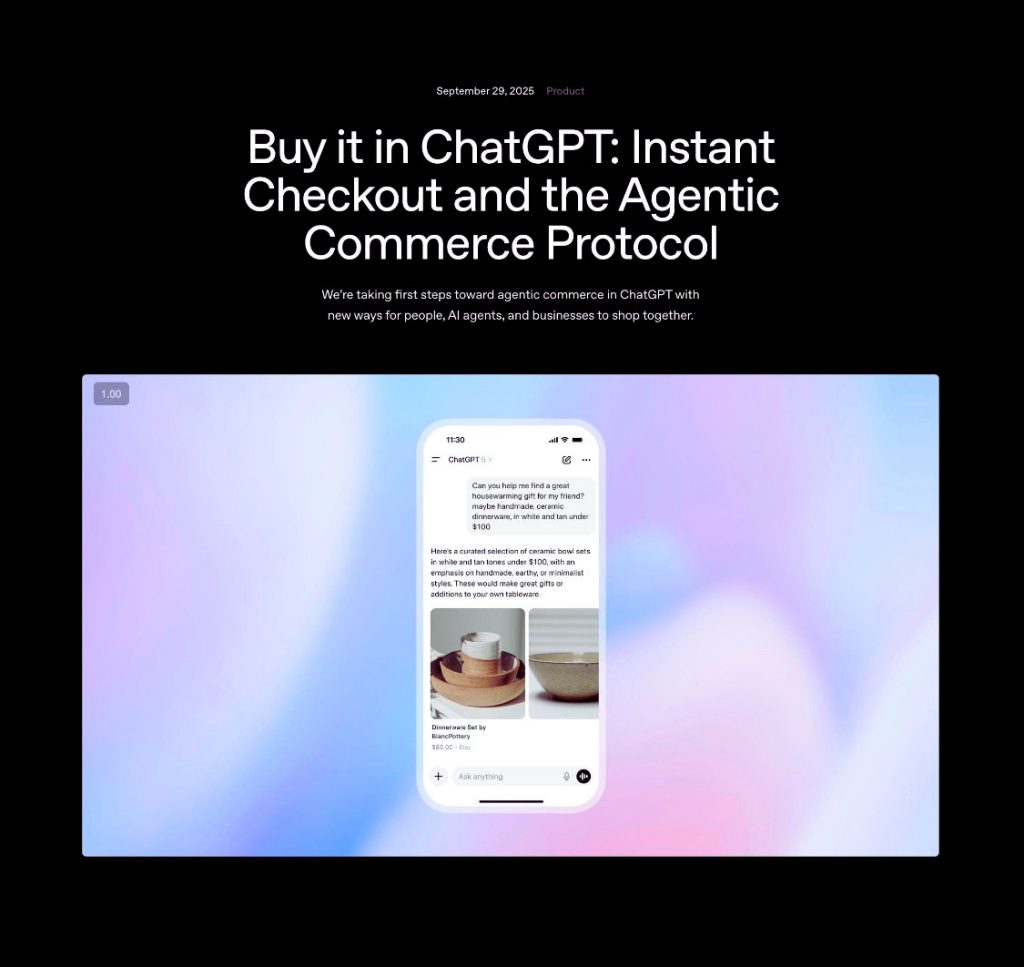
OpenAI’s ChatGPT Wallet introduces payment capabilities for AI shopping agents.
OpenAI Introduces ChatGPT Wallet for AI Shopping Agents
The new product, officially called ChatGPT Wallet, is designed to let OpenAI’s personal AI agents, known as dots, handle purchases after users instruct them to find and buy something.
Previously, ChatGPT could help users compare products, research prices and identify suitable retailers, but completing a purchase generally required the user to handle checkout independently. The new wallet bridges that gap by allowing an agent to proceed through checkout using a payment method the user has securely added.
OpenAI says ChatGPT is already used by approximately 1.2 billion people every week, with many relying on the platform for product research and purchasing decisions. The company wants to extend those activities into completed transactions, creating a shopping experience in which AI can manage more of the process.
The initial rollout is taking place through dots rather than every ChatGPT conversation. This means the feature should not be confused with a general payment function available across all ChatGPT products.
Visa, Mastercard and American Express Join the Initiative
One of the most significant aspects of the announcement is the involvement of major global payment networks.
OpenAI confirmed partnerships with three major payment providers:
• Visa – Providing payment infrastructure for agent-authorized purchases.
• Mastercard – Supporting secure transactions initiated by AI agents.
• American Express – Bringing its payment security and cardholder protections into the experience.
The collaboration is important because AI-powered shopping requires more than an intelligent assistant. It also needs established payment infrastructure capable of processing transactions securely, identifying legitimate purchases and protecting customers against unauthorized activity.
The major payment networks partnering with OpenAI to support ChatGPT Wallet.
According to OpenAI, customers can continue using their existing card rewards and retain applicable card protections for eligible disputes with merchants. The wallet is designed to work with existing checkout systems rather than requiring retailers to build an entirely new payment infrastructure.
How ChatGPT Wallet Payments Work
Security is central to OpenAI’s new payment system. Rather than giving an AI agent direct access to a user’s credit or debit card information, ChatGPT Wallet uses payment tokenization.
Users first add an eligible payment card through a secure setup process. Once the card is registered, they can ask their dot to help find a product and complete the purchase.
Before the transaction takes place, the user receives an opportunity to review important details, including:
The products being purchased.
The merchant receiving the payment.
The total purchase amount.
The selected payment card.
Any relevant shipping or recurring-payment terms.
After reviewing these details, the user must approve the transaction using a security check such as Face ID or fingerprint authentication.
Once approval is completed, the payment network generates a token containing substitute payment credentials. This allows the transaction to proceed without exposing the user’s actual card details to the AI agent or merchant.

Biometric authentication helps ensure users authorize purchases before their AI agents complete checkout.
This approach is intended to combine the convenience of AI-assisted shopping with the security mechanisms already used in modern digital payments.
OpenAI Plans to Make AI Shopping More Autonomous
Although every purchase currently requires explicit approval, OpenAI has indicated that this may change as the technology develops.
The company’s longer-term vision includes allowing users to establish purchasing rules that their AI agents can follow. These could include spending limits, approved product categories and specific time periods during which an agent is permitted to make purchases.
For example, someone could eventually instruct an AI agent to purchase household essentials whenever supplies run low, provided the transaction remains within a predetermined budget.
However, this is a future direction rather than the current functionality. OpenAI’s initial ChatGPT Wallet rollout still requires users to review and approve each purchase individually.
The company is also working with retailers, payment processors and fraud-prevention businesses to make agent-led transactions easier to accept. Some websites currently block automated browsing activity, which could prevent AI agents from completing purchases even when customers authorize them.
To address this, OpenAI has published a Commerce Partner Playbook offering guidance to businesses on making their websites and payment systems compatible with AI agents.
ChatGPT Wallet Launch Is Initially Limited to US Users
Despite the excitement surrounding the announcement, ChatGPT Wallet is not yet available worldwide.
OpenAI confirmed that the initial rollout is restricted to:
• ChatGPT Pro subscribers.
• Users aged 18 and older.
• People living in the United States.
• Eligible US-issued payment cards with a US billing address.
Supported cards include eligible Visa, Mastercard and American Express cards, with certain eligible Chase cards also supported according to OpenAI’s Wallet Help Center. Users must access the feature through their dots AI agents.
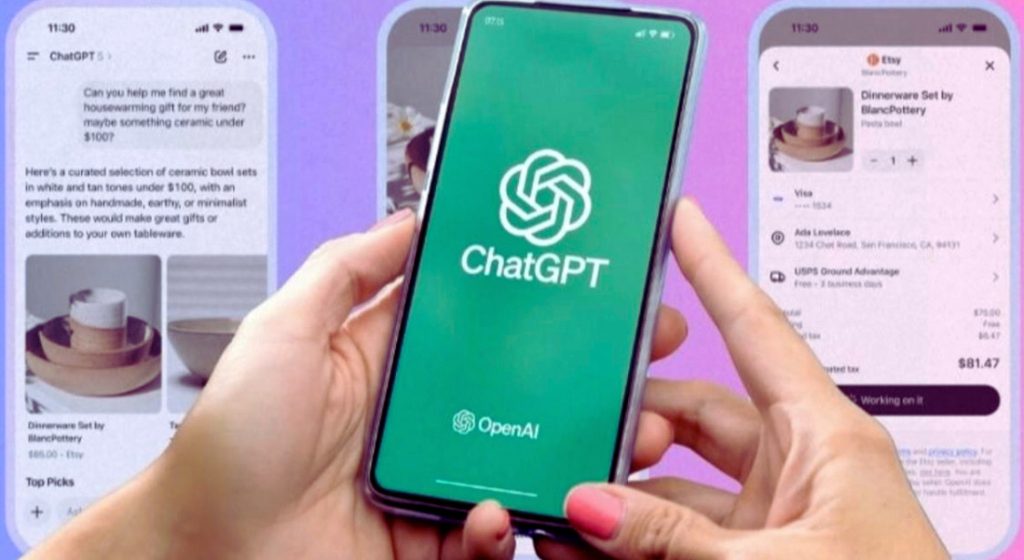
AI-powered shopping could change how consumers discover products and complete online purchases.
The limited rollout gives OpenAI an opportunity to test the technology, identify potential security weaknesses and work with retailers and payment providers before expanding availability.
There is currently no confirmed general availability date for users outside the United States.
Why ChatGPT Wallet Matters for AI and the Digital Economy
The launch of ChatGPT Wallet could have implications extending beyond online shopping. It represents a shift from AI systems that primarily provide information to agents capable of taking meaningful actions in the real world.
For years, artificial intelligence companies have competed to develop increasingly capable assistants. However, the ability to complete payments introduces another dimension: AI agents can potentially become intermediaries between consumers and businesses.
This could affect e-commerce platforms, payment processors, banks and traditional online retailers. Businesses may increasingly need to optimize their websites not only for human customers but also for AI agents researching products, comparing prices and completing checkout.
The development is also relevant to the cryptocurrency industry, particularly as discussions around AI agents, blockchain payments and autonomous financial systems continue to grow.
However, ChatGPT Wallet should not be confused with a cryptocurrency wallet. Its initial payment system uses conventional card networks and tokenized payment credentials rather than giving users a crypto wallet for holding Bitcoin or other digital assets.
For Visa, Mastercard and American Express, the partnership also creates an opportunity to remain central to payments as shopping increasingly moves toward AI-powered interfaces.
FAQs
1. What is ChatGPT Wallet?
ChatGPT Wallet is OpenAI’s new payment feature that allows its dots AI agents to complete purchases on behalf of users after receiving their approval.
2. Can ChatGPT now buy things without permission?
No. Every purchase currently requires the user to review the transaction and approve it using biometric verification, such as Face ID or fingerprint authentication.
3. Which payment cards does ChatGPT Wallet support?
OpenAI announced partnerships with Visa, Mastercard and American Express. Its Help Center also lists eligible Chase cards for US users.
4. Can ChatGPT see my credit card details?
OpenAI says its payment system uses tokenized credentials, meaning the AI agent and merchant do not receive the user’s actual card details.
5. Is ChatGPT Wallet available in Nigeria?
No. The initial rollout is restricted to eligible US-based ChatGPT Pro subscribers aged 18 and older with qualifying US-issued cards. OpenAI has not announced a Nigerian launch date.
Conclusion
OpenAI’s introduction of ChatGPT Wallet marks an important development in the evolution of artificial intelligence and online payments. By partnering with Visa, Mastercard and American Express, the company is creating an infrastructure that allows AI agents to move beyond product recommendations and complete real purchases.
The requirement for biometric approval on every transaction provides an important security layer, while payment tokenization helps protect sensitive card information. Nevertheless, questions surrounding fraud prevention, retailer compatibility and the future of autonomous purchasing will become increasingly important as adoption grows.
For now, ChatGPT Wallet remains limited to US users, but its launch provides an early indication of how AI could reshape digital commerce. If OpenAI successfully expands the technology, shopping through AI agents could become a much bigger part of the global digital economy.
