







Egypt current account deficit widened to $5.1 billion in the first quarter, more than doubling from a year earlier as a wider trade gap increased pressure on the country’s external finances.
Key Takeaways
• Egypt’s current account deficit rose to $5.1 billion in the first quarter.
• The deficit more than doubled compared with the same period a year earlier.
• A wider trade gap was the primary driver behind the increase.
• The figures highlight ongoing challenges facing Egypt’s economy and external balance.
Egypt Current Account Deficit Climbs to $5.1 Billion
The Egypt current account deficit widened sharply to $5.1 billion during the first quarter, more than doubling from the same period a year ago. According to reports, the increase was mainly driven by a wider trade deficit, as the value of imports continued to exceed exports. The current account is a key measure of a country’s economic relationship with the rest of the world. It tracks the flow of goods, services, investment income, and transfers between a nation and its trading partners. A widening deficit means more money is leaving the country than coming in through these channels. The latest figures underscore the economic challenges Egypt continues to face as policymakers work to strengthen growth while managing external financial pressures.
Why the Trade Gap Increased
Higher Imports Outpaced Export Growth
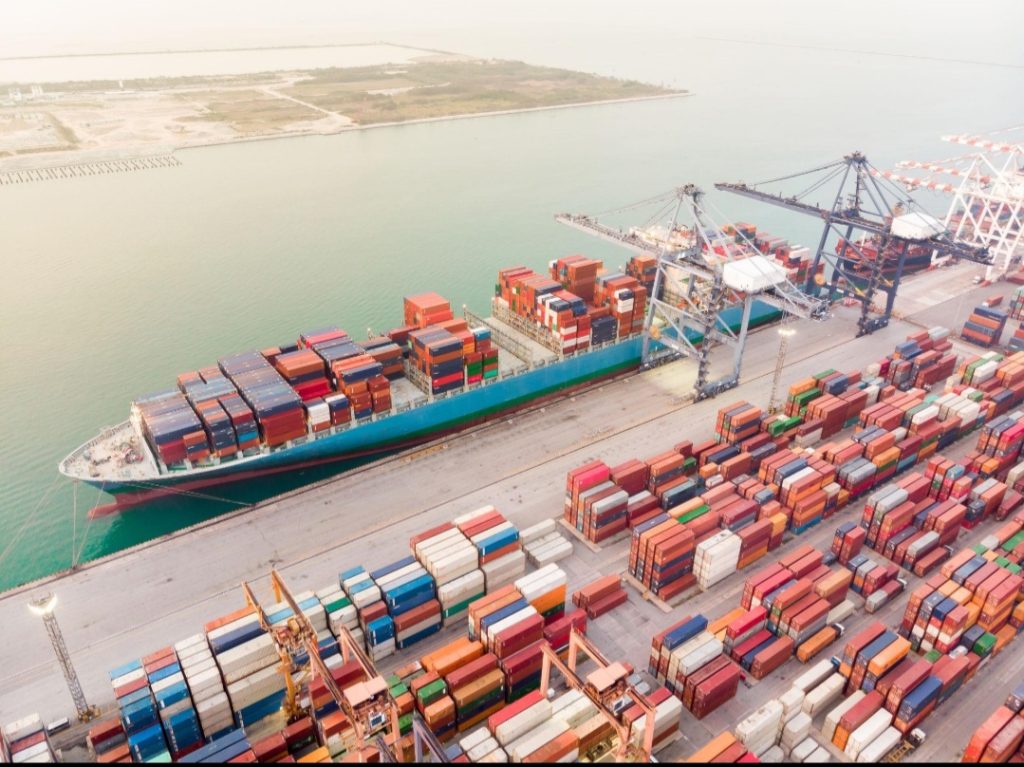
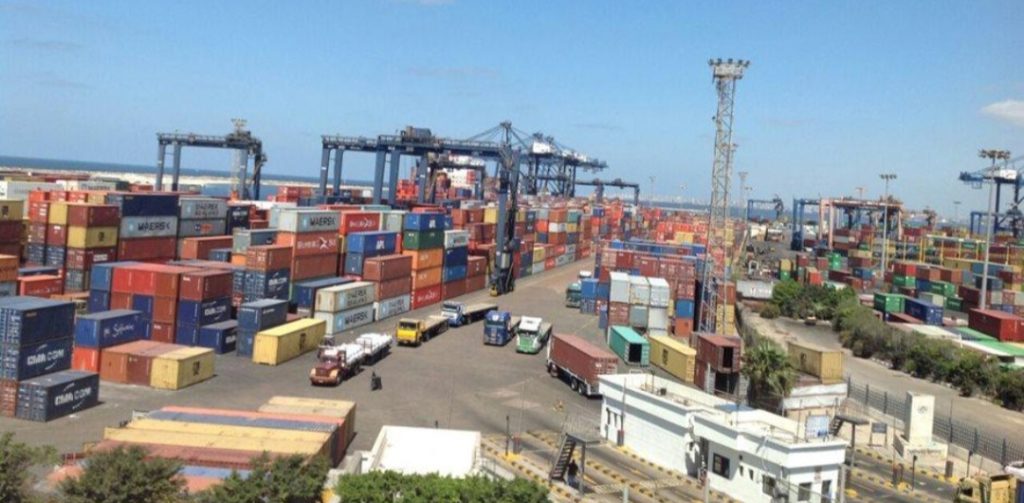
A major reason behind the larger Egypt current account deficit was the widening trade gap. Rising demand for imported goods, industrial materials, and energy products contributed to higher import costs, while export growth was not enough to offset those increases. Global economic conditions, fluctuating commodity prices, and currency movements have also influenced Egypt’s trade performance in recent quarters.
Economic Challenges Ahead
A larger current account deficit can increase pressure on a country’s foreign exchange reserves and currency if it persists for an extended period. Governments often respond by encouraging exports, attracting foreign investment, boosting tourism, and implementing policies aimed at reducing import dependence. Egypt has introduced several economic reforms in recent years to strengthen investment, improve infrastructure, and support long-term growth. However, balancing trade remains an important objective for maintaining economic stability.
Why It Matters
The Egypt current account deficit is closely watched by investors, international lenders, and financial institutions because it reflects the country’s external financial health. A sustained increase in the deficit could influence borrowing costs, exchange rate stability, and investor confidence. On the other hand, improvements in exports, tourism revenue, and foreign direct investment could help narrow the gap over time.
