




Key Takeaways
Intercontinental Exchange (ICE), the parent company of the New York Stock Exchange, is considering becoming a validator on Solana.
Hester Serafini, President of ICE Clear Europe, discussed the possibility at Solana Breakpoint 2026 in London.
ICE already supports Solana through its ICE Digital Trust business, according to the announcement.
The NYSE’s Alternative Trading System (ATS) is reportedly ready to support tokens issued on Solana.
A potential ICE validator operation would bring a major traditional financial market operator closer to Solana’s blockchain infrastructure.
Wall Street’s relationship with cryptocurrency is moving beyond Bitcoin exposure and digital asset custody, with the parent company of the New York Stock Exchange now considering a more direct role in the Solana ecosystem.
Speaking at Solana Breakpoint 2026 in London, Hester Serafini, President of ICE Clear Europe, said Intercontinental Exchange (ICE) already supports Solana through its ICE Digital Trust business and is evaluating whether to become a validator on the blockchain. The development highlights growing interest from traditional financial institutions in blockchain infrastructure.
The announcement is particularly significant because ICE operates some of the world’s most important financial market infrastructure. If the company eventually launches a Solana validator, its involvement would extend beyond supporting digital assets into helping maintain the network itself.

Hester Serafini, President of ICE Clear Europe, speaking at Solana Breakpoint 2026 in London.
ICE Considers Becoming a Solana Validator
The announcement came during discussions at Solana Breakpoint, the blockchain industry’s flagship event taking place at Olympia London from November 15 to 17.
Serafini confirmed that ICE already has exposure to Solana through ICE Digital Trust. She also indicated that the company is considering whether to participate directly in the network as a validator.
The distinction between supporting a blockchain and operating a validator is important. Through its digital trust business, ICE is involved in institutional digital asset services. Running a validator, however, would mean taking a more direct operational role in the blockchain network.
ICE has not announced a final decision or a launch date for a Solana validator. The proposal remains under consideration, meaning investors should not interpret the announcement as confirmation that the company is already operating one.
ICE Digital Trust Already Has a Presence in Digital Assets
ICE’s interest in Solana is not coming from a company with no previous cryptocurrency involvement.
According to ICE’s official website, ICE Digital Trust operates as a New York state-chartered trust company and qualified custodian. Its services include cryptocurrency custody, transaction authorization, physical security and institutional risk controls.
ICE Digital Trust provides institutional-grade custody services for cryptocurrency and tokenized assets.
The company’s existing involvement provides useful context for its interest in Solana. Supporting digital assets through custody services is one part of the institutional blockchain market, while validator participation would represent a deeper connection with the network’s technical infrastructure.
For Solana, the potential involvement of an established financial market operator could strengthen its institutional profile. However, the actual impact would depend on whether ICE proceeds and how its validator operation is structured.
NYSE ATS Is Preparing to Support Solana-Based Tokens
Another important development emerged alongside Serafini’s comments.
According to reporting attributed to Solana, the New York Stock Exchange’s Alternative Trading System is already prepared to support tokens issued on the Solana blockchain. This would create another potential connection between traditional financial markets and blockchain-based asset issuance.
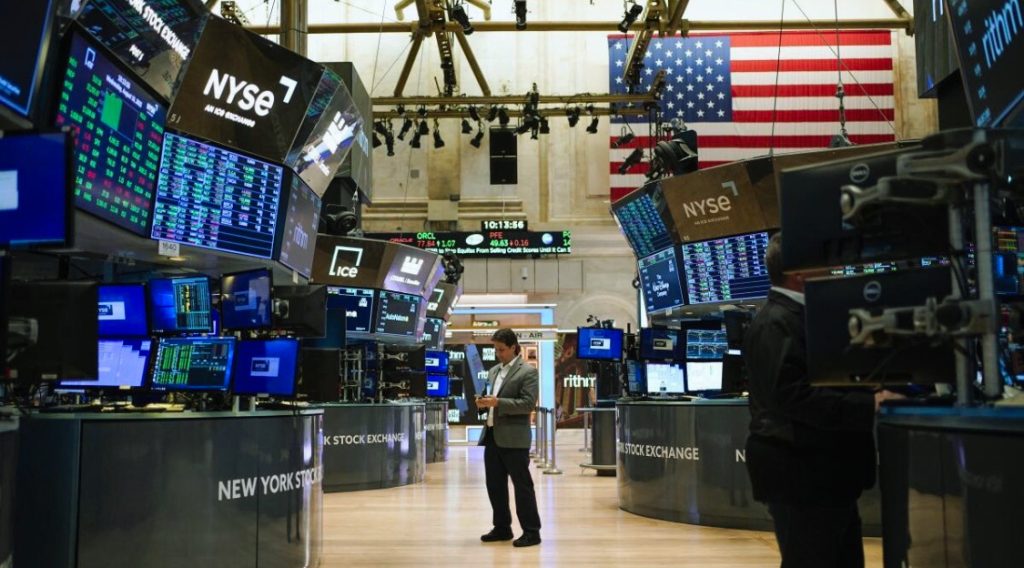
The New York Stock Exchange, whose parent company Intercontinental Exchange is exploring deeper blockchain integration.
An Alternative Trading System is a regulated trading venue that matches buyers and sellers outside a traditional national securities exchange order book. Its ability to support Solana-issued tokens could create opportunities for blockchain-based financial instruments to interact with established trading infrastructure.
This is particularly relevant to tokenization, which involves representing traditional financial assets such as stocks, bonds and funds as digital tokens on a blockchain.
ICE has already been developing infrastructure for tokenized securities. In February 2026, company executives discussed the NYSE’s plans for a digital trading venue designed to support tokenized equities, continuous trading and settlement against stablecoins.
The Solana development therefore fits into a broader strategy rather than representing an isolated cryptocurrency experiment.
Why Institutional Validator Participation Matters for Solana
Validators play an essential role in maintaining proof-of-stake blockchains such as Solana. They participate in transaction processing, help maintain network security and contribute to consensus.
If ICE eventually becomes a validator, it would add another established financial institution to the group of organisations participating directly in Solana’s infrastructure.
That could strengthen institutional confidence in the network, particularly among businesses exploring tokenized securities, digital asset custody and blockchain-based settlement.
Validator infrastructure supports transaction processing and network security across the Solana blockchain.
However, validator participation should not automatically be interpreted as a direct investment in SOL or a guaranteed increase in its market price. The significance is primarily institutional and infrastructural.
The announcement also demonstrates that major financial companies are exploring multiple blockchain networks rather than committing exclusively to one ecosystem. Their decisions will likely depend on security, scalability, regulatory requirements and the ability to integrate blockchain technology with existing financial systems.
Why It Matters for SOL and the Crypto Market
The potential ICE Solana validator move could become an important development for SOL’s long-term institutional adoption.
Traditional financial institutions have historically operated through centralized infrastructure, including stock exchanges, clearing houses and regulated custodians. Their growing interest in public blockchains suggests that some parts of financial markets could eventually operate through decentralized settlement networks.
For Solana, attracting companies such as ICE could strengthen its position as a blockchain infrastructure provider for tokenized financial products. It could also encourage other banks, asset managers and market operators to investigate the network.
The NYSE’s reported readiness to support Solana-issued tokens adds another dimension to the development. It suggests that the relationship between traditional finance and blockchain technology could move beyond cryptocurrency trading into securities issuance and settlement.
Nevertheless, ICE’s potential validator participation remains under consideration. The next important development will be whether the company formally confirms its plans.
FAQs
1. Is ICE becoming a Solana validator?
ICE is considering becoming a Solana validator, according to Hester Serafini. The company has not confirmed a final decision or launch date.
2. Who is Hester Serafini?
Hester Serafini is the President of ICE Clear Europe. She discussed ICE’s existing Solana support and potential validator participation at Solana Breakpoint 2026.
3. Does ICE already support Solana?
Yes. Serafini said ICE already supports Solana through ICE Digital Trust.
4. Is the NYSE supporting Solana tokens?
According to reporting attributed to Solana, the NYSE’s Alternative Trading System is prepared to support tokens issued on the Solana blockchain.
5. Is this bullish for SOL?
The development could strengthen Solana’s institutional adoption narrative. However, ICE has not confirmed that it will operate a validator, and the announcement does not guarantee an increase in SOL’s price.
Conclusion
ICE’s growing involvement in the Solana ecosystem represents another important connection between traditional financial markets and blockchain technology. Through ICE Digital Trust, the company already has a presence in digital asset services, while its consideration of validator participation could take that relationship further.
The reported readiness of the NYSE’s Alternative Trading System to support Solana-issued tokens makes the development even more significant, particularly as financial institutions explore tokenized securities and blockchain-based settlement.
Although ICE has not committed to operating a Solana validator, its interest highlights the network’s growing relevance to institutional finance. For Solana, attracting major financial infrastructure operators could become an important part of its next phase of adoption.