





Trust Wallet has introduced a new security-focused feature designed to make cryptocurrency transfers easier to verify. The self-custody wallet now displays labels for exchange deposit addresses on its Send screen, helping users identify their intended destination before confirming a transaction.
The update was announced through Trust Wallet’s official X account on November 17, 2026. The company explained that users cannot easily recognize a long cryptocurrency address simply by looking at its characters, so the new labels provide an additional layer of destination identification.
Although the change may appear relatively small, it addresses a familiar problem in cryptocurrency transactions: sending funds to the wrong address or mistakenly selecting an unintended destination.

Trust Wallet’s blue and green shield logo, representing its self-custody cryptocurrency wallet.
Trust Wallet Introduces Exchange Deposit Address Labels
According to Trust Wallet’s announcement, exchange deposit addresses will now display identifiable labels directly on the Send screen.
Previously, users often had to rely on lengthy combinations of letters and numbers to recognize cryptocurrency destinations. Since blockchain addresses are not designed to be easily readable, distinguishing between multiple addresses can become difficult, particularly when users regularly transfer funds between exchanges and personal wallets.
Trust Wallet’s new feature provides an additional identification layer by displaying an exchange label alongside the relevant deposit address.
The company explained its reasoning in a statement:
“Nobody can read a 42-character address. So we added a second check.”
The objective is to help users understand where their funds are going before approving a transaction.
How the New Trust Wallet Feature Works
The new functionality focuses on making destination addresses easier to recognize during transfers.
When users prepare to send cryptocurrency to a supported exchange deposit address, Trust Wallet displays an identifying label on the Send screen. This gives users another opportunity to check the destination before approving the transaction.
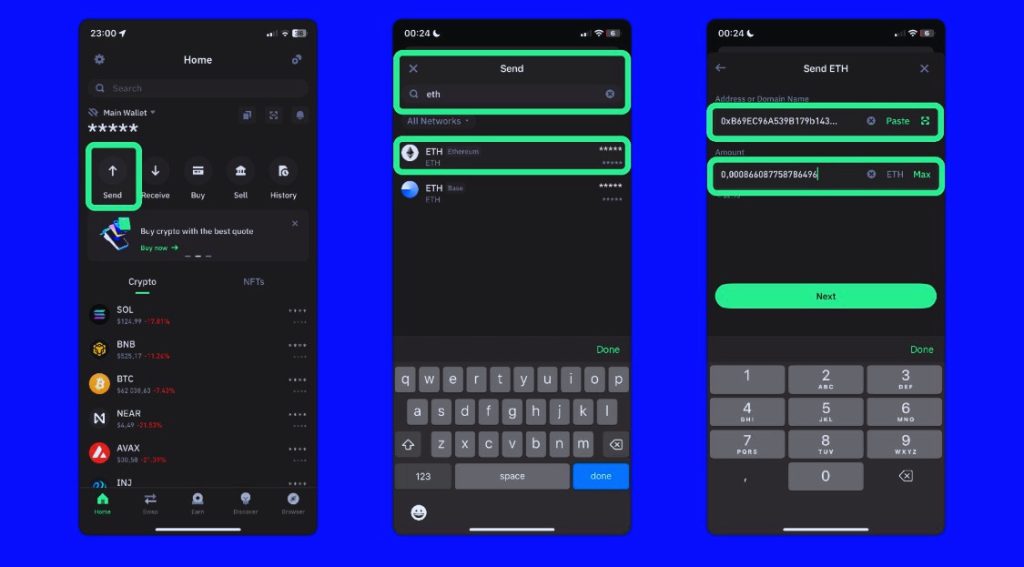
Trust Wallet’s mobile interface, where users manage cryptocurrency transfers and review transaction details.
The feature is particularly useful for people who frequently move assets between self-custody wallets and centralized exchanges.
For example, someone transferring USDT from Trust Wallet to an exchange may find it easier to identify the intended destination through its displayed label rather than relying entirely on a long alphanumeric address.
However, there is an important distinction: an exchange label helps identify a destination, but it does not independently guarantee that an address is correct or that a transaction is safe. Users should continue checking the actual address, cryptocurrency and blockchain network before confirming transfers.
Why Exchange Address Identification Matters
Cryptocurrency transfers are generally irreversible once confirmed on the blockchain. Unlike traditional bank transfers, users often cannot simply contact a payment provider and request that an incorrectly sent transaction be reversed.
This makes destination verification an important part of cryptocurrency security.
One common threat is address poisoning, a scam in which attackers send transactions from wallet addresses designed to resemble addresses previously used by their targets. Unsuspecting users may later copy the fraudulent address from their transaction history and send funds to the wrong destination.
Trust Wallet has previously introduced dedicated Address Poisoning Protection to help identify suspicious addresses across supported EVM networks. The exchange-label update adds another approach to helping users recognize transaction destinations.
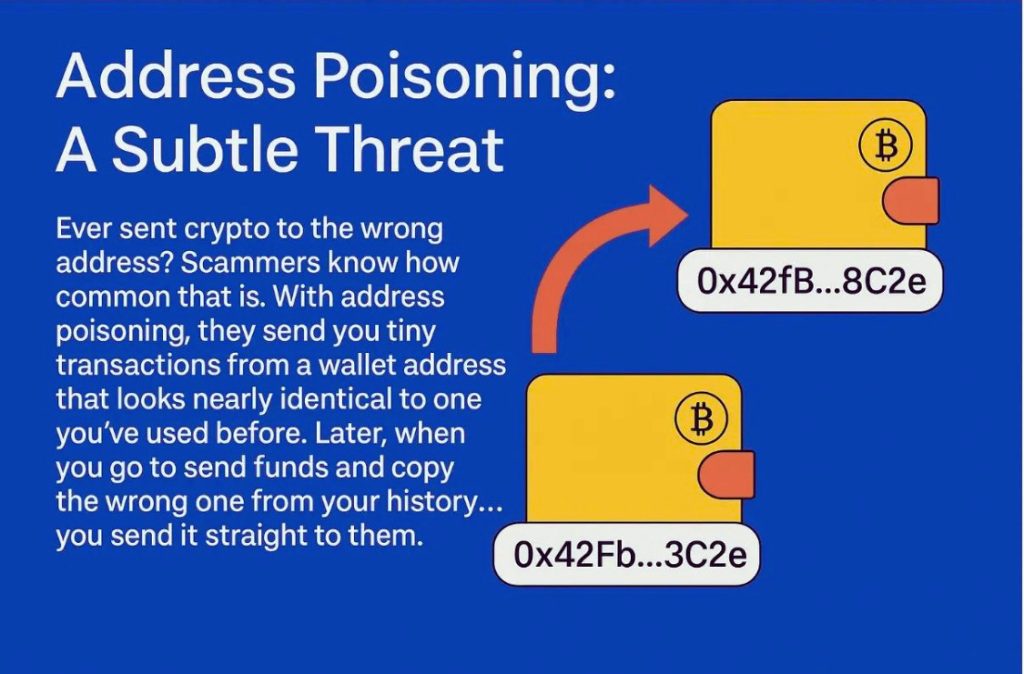
Address poisoning attacks exploit similarities between cryptocurrency wallet addresses to trick users into sending funds to the wrong destination.
The broader objective is to reduce the chances of human error during everyday crypto transactions.
Trust Wallet Continues Expanding Its Security Features
The latest update follows a series of improvements aimed at making self-custody easier and safer for cryptocurrency users.
Trust Wallet has continued developing tools that simplify wallet management, improve transaction visibility and help users identify potential security risks.
Its existing Address Book functionality allows users to save frequently used wallet addresses, reducing the need to repeatedly copy and paste long strings of characters.
The company has also published security guidance warning users against copying addresses from unfamiliar transactions and encouraging them to verify recipients through trusted sources.
Key Takeaways
Trust Wallet has introduced labels for exchange deposit addresses on its Send screen.
The feature helps users identify where their cryptocurrency is going before confirming a transaction.
The update addresses the difficulty of recognizing long blockchain addresses, which can contain 42 or more characters.
The feature adds another verification step to help reduce mistakes when transferring digital assets.
Users should still verify the network, recipient address and transaction details before sending funds.
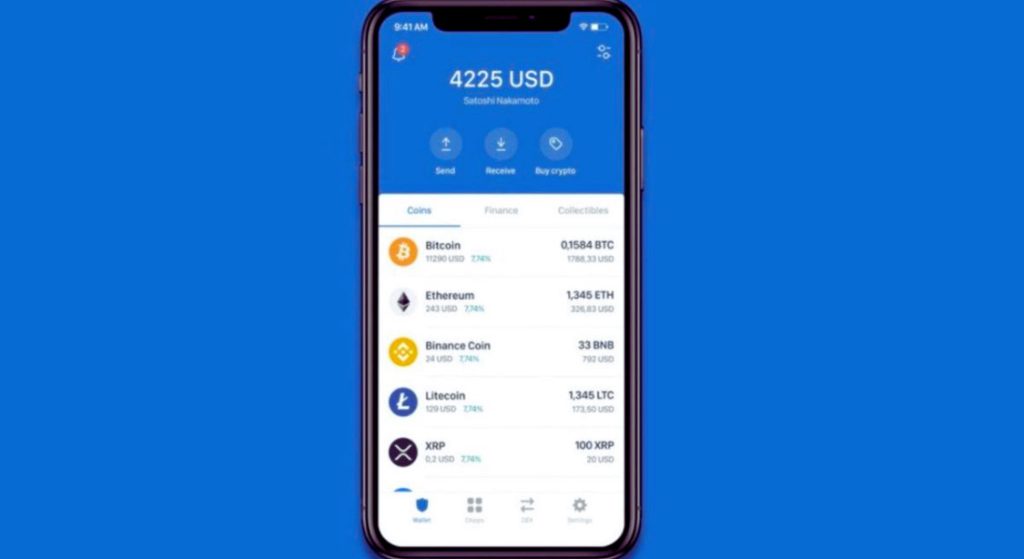
Trust Wallet’s mobile application provides self-custody tools for managing digital assets across supported blockchains.
These improvements are important as cryptocurrency adoption expands and more people use digital wallets to move funds between exchanges, decentralized applications and personal storage.
For beginners, even a small mistake involving an incorrect address or network can result in significant financial losses. Making transaction information easier to understand could therefore improve the overall user experience.
Why It Matters for Crypto Users
Trust Wallet’s latest update highlights an important part of cryptocurrency adoption: security must become easier to understand, not just more technically advanced.
Many crypto users regularly transfer assets between centralized exchanges and self-custody wallets. Although these transactions are relatively straightforward for experienced traders, beginners can struggle with lengthy addresses, network selection and destination verification.
By introducing exchange labels, Trust Wallet is attempting to make one part of that process more recognizable.
The feature could also help reduce avoidable transfer mistakes as more people use self-custody wallets to manage their digital assets independently.
However, labels should be treated as an additional safety check rather than a replacement for verifying the full destination address and network.
Conclusion
Trust Wallet’s introduction of exchange deposit address labels is a practical improvement aimed at making cryptocurrency transfers easier to verify.
Although the update does not fundamentally change how blockchain transactions work, it addresses a common challenge faced by crypto users: identifying long wallet addresses before sending funds.
As self-custody adoption grows, improvements that reduce human error could become increasingly important. Trust Wallet’s latest feature is another step toward making everyday cryptocurrency transactions more accessible and understandable.
